The two parts a quake cracks first
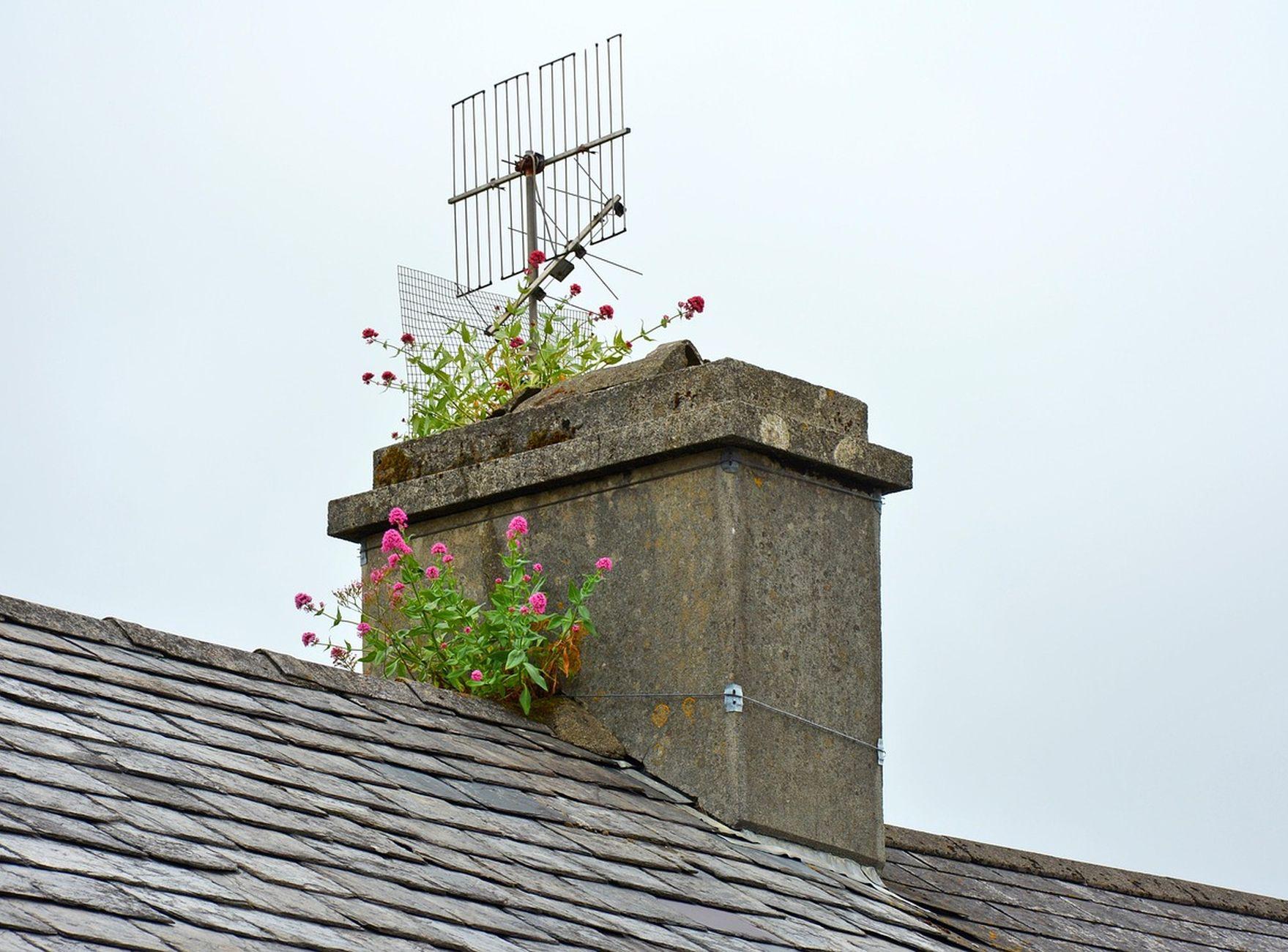
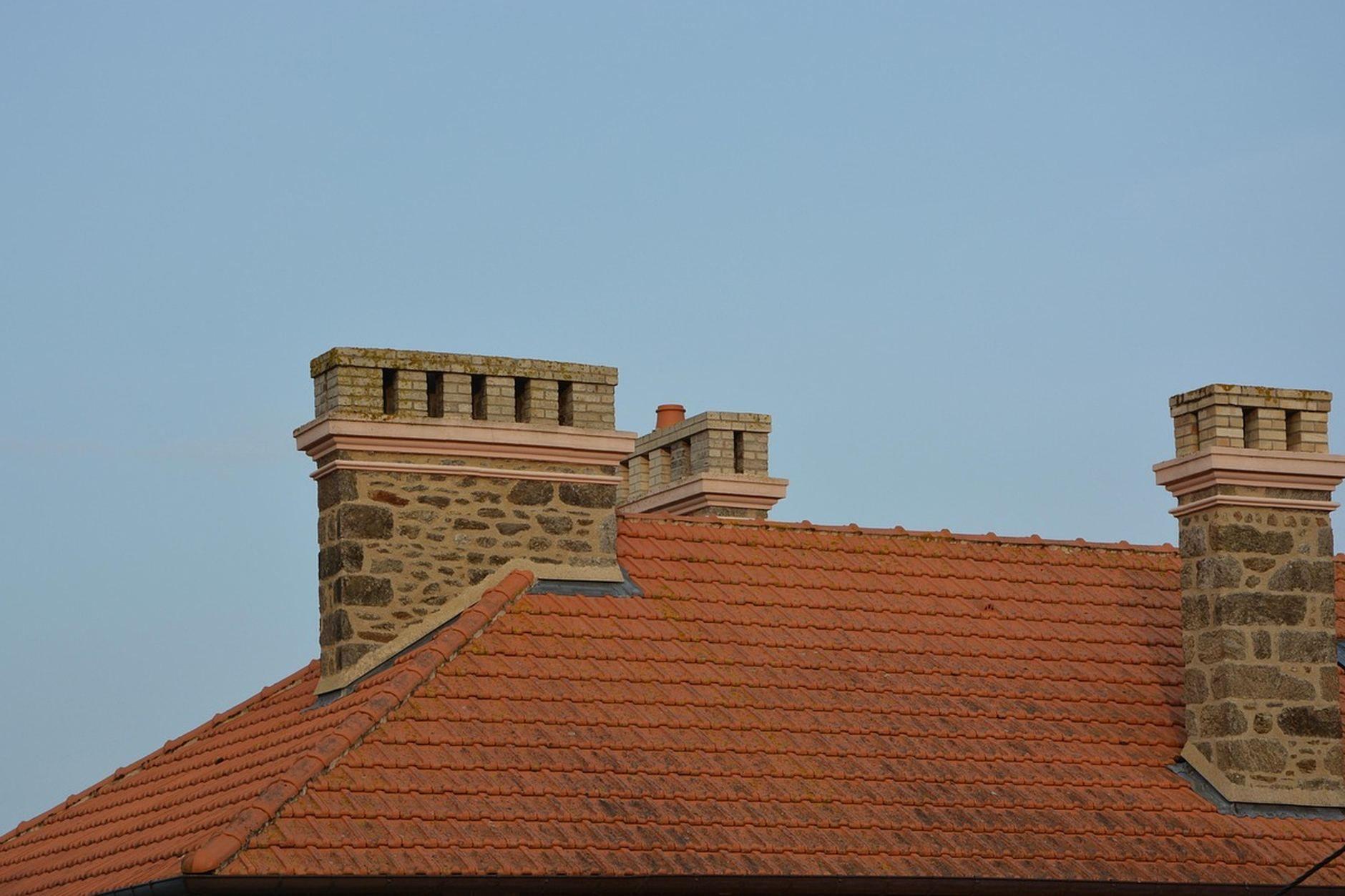
On a brick chimney, two pieces take the first hit when the ground moves: the slab on top and the clay tiles inside. The slab on top, the crown, is rigid concrete or mortar sitting on brick that sways. The tiles stack loose inside the brick shell and knock against it. In Huntington Park, where most brick chimneys have lived through several quakes, a cracked crown and a split liner are among the jobs we quote most.
They also tend to show up together. A crack in the crown lets water into the brick. Water in the brick weakens the mortar. Weak mortar lets the stack move more in the next shake, and the tiles inside crack further. Fixing one and leaving the other usually means coming back.
What goes wrong with a crown
The crown's job is to cap the brick and send rain away from it. When it fails, it fails in a few familiar ways:
- a hairline crack that widens each winter
- a crack right across the slab, often after a shake
- chunks breaking off the edge and falling onto the roof
- a crown laid too thin or too flat, so water sits on it
Water getting through a crown does not always show inside the house right away. It soaks into the brick first, and the signs come later: white staining on the brick, flaking faces, or a damp patch on the ceiling near the chimney breast.
Crown repair runs from sealing small cracks to cutting the old crown off and casting a new one. Which it is depends on how much of the slab is sound.
What goes wrong with a liner
The clay tiles lining an older flue were never meant to flex. A shake cracks them along their length, chips their joints, or knocks one out of line with the next. Through a crack, heat and sparks can reach the brick and any framing close to it. An offset tile narrows the flue and can spill smoke into the room.
Liner installation puts a new liner inside the old flue, most often stainless steel, sized to the fireplace or the appliance it serves. Where the brick shell is sound, a new liner can save a chimney that would otherwise need to come down.
How the camera sets the scope
Neither job can be priced honestly from the ground. The crown has to be seen up close, and the liner can be judged only with a camera that travels the whole flue. That is why both start with a Level 2 inspection, which is $375 here. The report marks each crack in the crown and each damaged tile by its height in the flue, with a photo.
From the report we can tell you:
- whether the crown needs sealing, patching or replacing
- whether the tiles can stay or the flue needs a new liner
- whether the damage stops at the crown and liner or reaches the brick
- whether any waterproofing of the brick makes sense once the top is sealed
Prices on our list, and what is quoted
Crown repair and liner installation are not on our fixed list, because their cost depends on the flue size, the height of the chimney, and how much of the old crown has to come off. Each gets a written quote from the inspection report. Several jobs that often travel with them do have set prices:
| Work | Price |
|---|---|
| Inspection with a camera down the flue | $375 |
| New cap once the crown is sound | quoted after we measure |
| Finding and stopping a chimney leak | $540 to $3,200 |
| Uphill water diverter for a wide stack | $430 to $970 |
The cap matters here. A new crown with no cap above it still takes rain straight down the flue, and that water reaches the new liner too.
If the crown is cracked or the fireplace has started to smoke since the last quake, request a crown and liner quote. Tell us the address, what you have noticed on the roof or inside, and whether the fireplace burns wood or gas.
Leaks that start at the top
Many calls that begin as a ceiling stain turn out to be a crown problem. If water is already coming in, our leak repair work traces where it enters before anything is opened. Sometimes the crown is the cause, sometimes the flashing, sometimes porous brick, and often more than one. The report says which, so the quote fixes the cause and not just the stain.
When crown and liner are not enough
If the camera finds brick that has failed through, or a stack that has moved off the house, a new crown and liner will not hold it. In that case the report points to masonry repair or a rebuild, and we price that route too so you can compare.
Choosing the liner material
When a flue needs a new liner, the quote names the material and says why we picked it. Stainless steel suits most fireplaces and gas inserts in older houses here, because it goes in from the top without opening the brick and it flexes a little when the stack sways. A poured or cast liner can suit a flue whose tiles are badly broken and whose brick needs the extra support. Clay tile replacement is rare, since it usually means taking the chimney apart. On a house you plan to keep, the liner you pick should match how you mean to use the fireplace over the next many years: wood, gas, or a fireplace you light only a few times each winter.
Questions owners ask about this work
Can the crown be fixed without fixing the liner? Yes, when the camera shows sound tiles. We only add a liner to the quote when the report shows tile damage.
Does a new crown stop the brick from moving in a quake? No. A crown keeps water out. Holding the stack in place is the job of seismic retrofit work, which we can quote alongside it.
Owners in Huntington Park, Lynwood and nearby cities can get a written crown and liner quote by sending the address through our contact page.
Seeing This on Your Own Roof?
Edmonds checks the roofline joint, the top courses and the flue tile, then sends photos and a written price for any fix. We work out of Huntington Park and cover Lynwood, Monterey Park, South Gate and the city of Los Angeles.