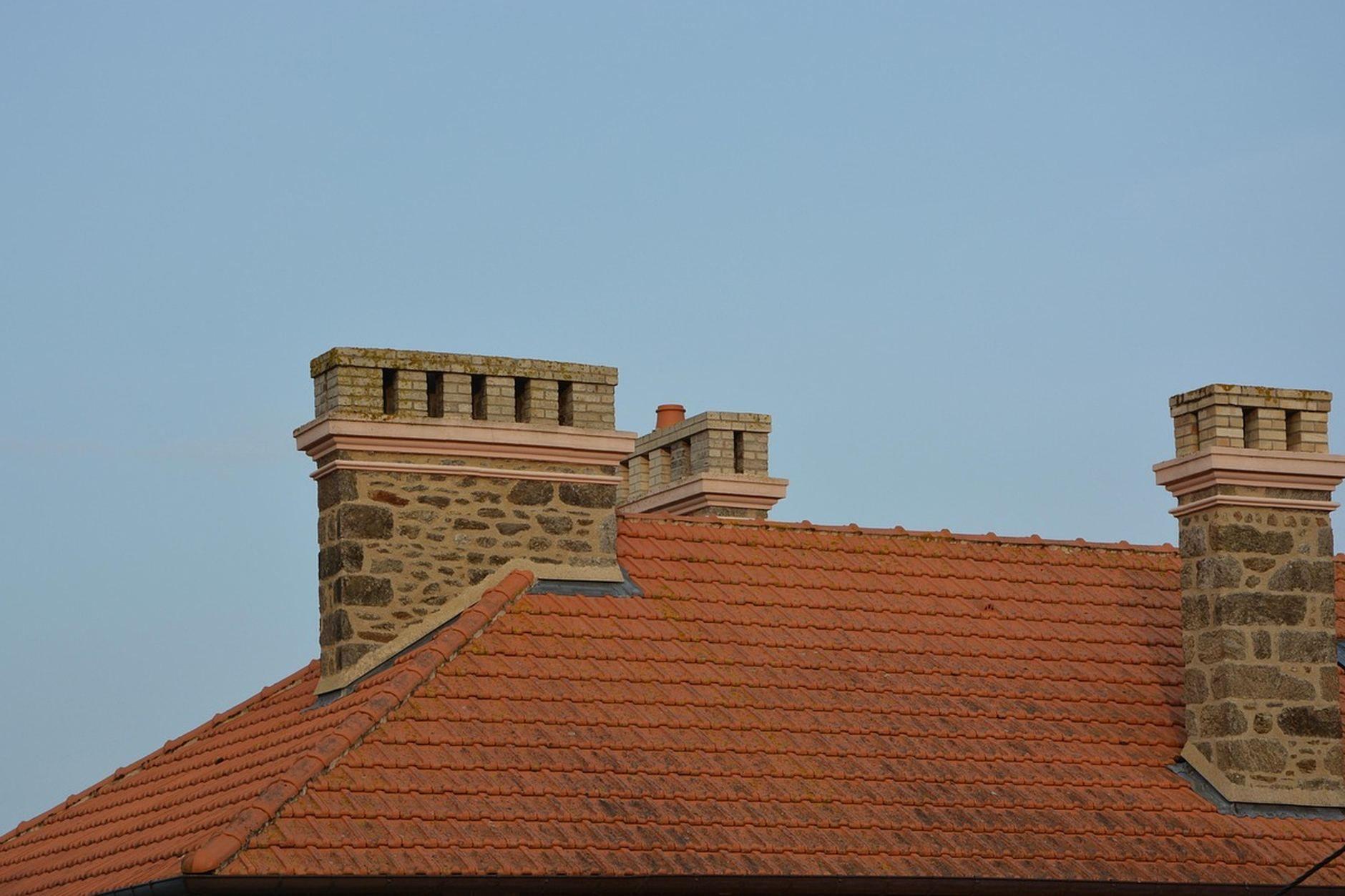
The yard view after a shake
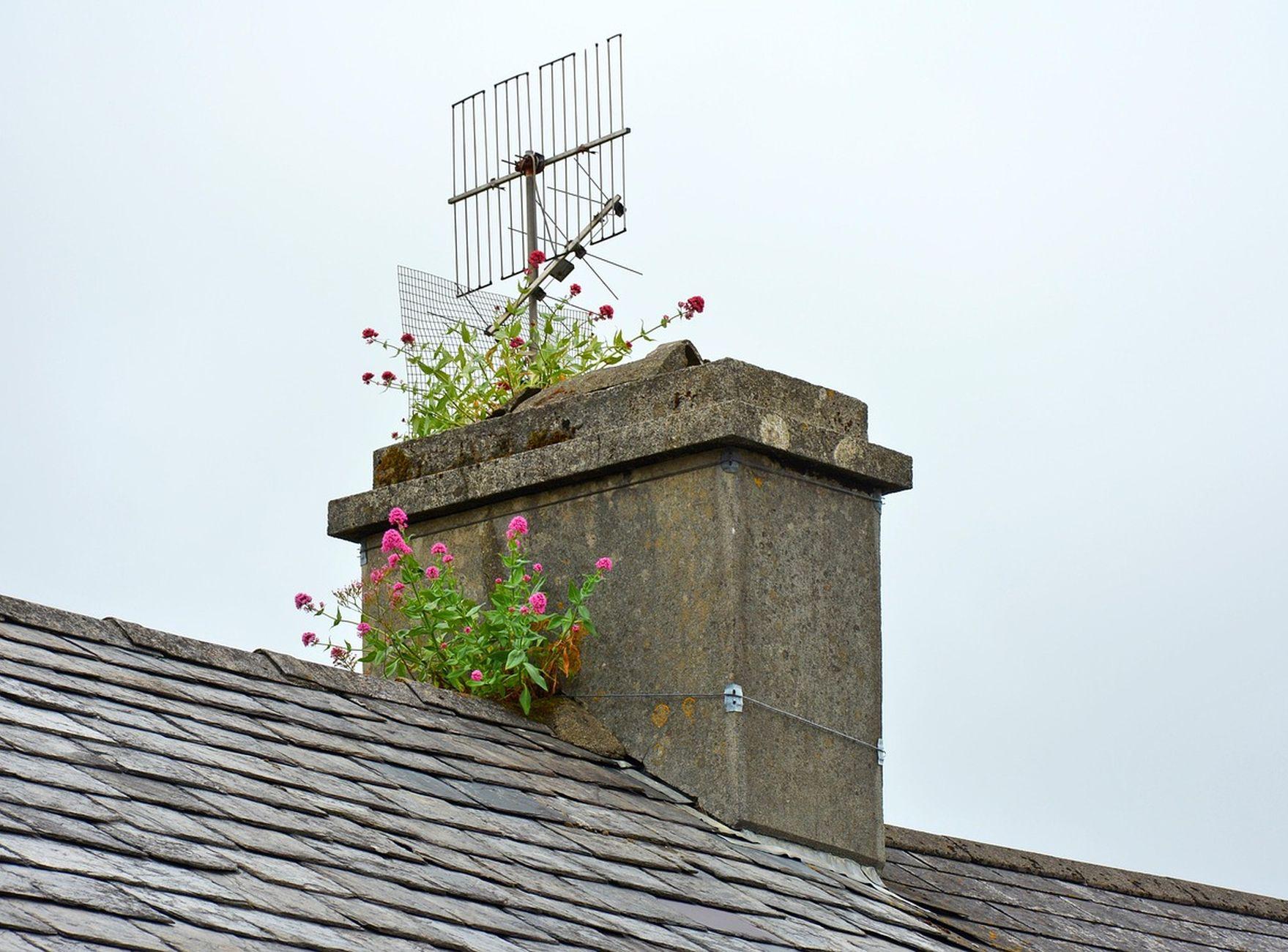
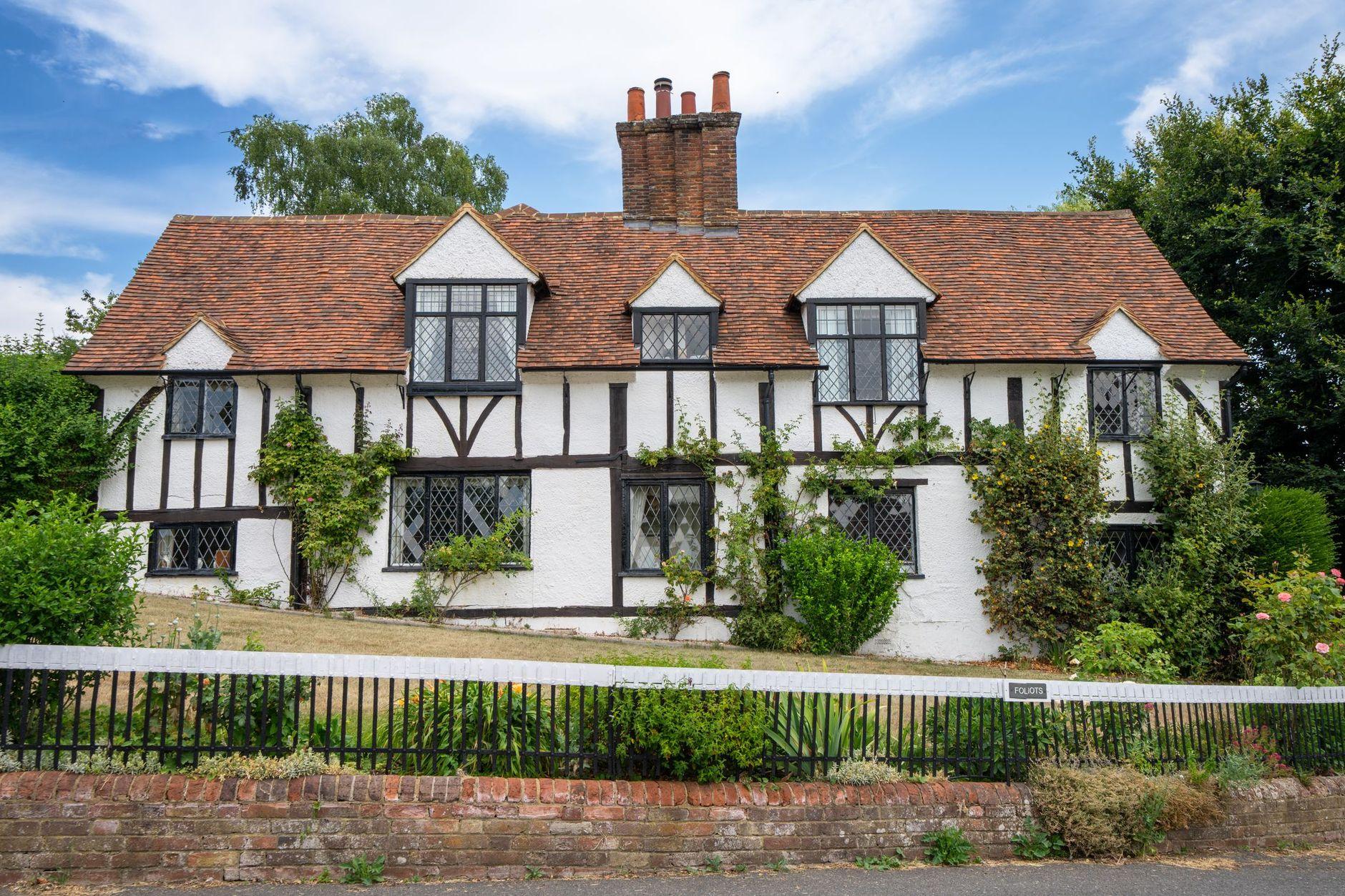
The ground stops moving, the dishes are back on the shelf, and the chimney still stands. Most owners in Huntington Park look up at it from the driveway, see no missing brick, and move on. That is a fair first check. It is also the one that misses the damage that matters most, because a brick chimney usually cracks from the inside first.
The flue is lined with clay tiles stacked one on top of another. In a quake the brick shell sways and the tiles inside knock against each other and against the brick. They chip at the joints, crack along their length, or slide out of line. None of that shows from the street. All of it changes whether the chimney can carry smoke and heat safely the next time someone lights a fire.
Why the inside matters more than the outside
A cracked tile lets hot gas and sparks reach the brick behind it, and in older houses the brick can sit close to wood framing. It also lets creosote collect in the gaps, where it can catch. A tile that has slid out of line narrows the flue and slows the draft, so smoke spills into the room. Each of these is a reason to stop using the fireplace until it is fixed, and none of them is visible without a camera.
The outside of the stack tells part of the story too. After a shake we look for:
- mortar joints that opened in a line just above the roof
- a crown with a fresh crack across it
- flashing pulled loose where the chimney leaned
- a gap between the stack and the siding, even a thin one
The three levels in the standard
Three inspection levels come from NFPA 211, the fire code document that governs chimneys and venting. Level 1 suits a chimney with no change in use and no reason for worry: we look over the firebox, the damper, the parts of the flue a light reaches, and the outside of the stack. The second is the one the standard points to after something has happened to the chimney, and a quake is the plainest case. Here the camera goes down the full flue, and we open up the places a shorter visit skips, such as the attic and the wall where the stack is tied in. The third level means removing part of the structure to see behind it. We recommend it only when the camera leaves a question it cannot answer.
At Edmonds Chimney Services a Level 1 is $53 and a Level 2 is $375. After a quake, we will tell you plainly that the cheaper visit is the wrong one. It cannot see the tiles.
What a post-quake Level 2 records
The report is written for you and for anyone you choose to share it with: an insurer, a buyer, a contractor quoting the repair. It holds:
- a photo or video frame for every crack, offset or gap the camera finds, with its height in the flue
- the condition of the crown, flashing and cap
- what the attic and the outside wall show about how the stack is tied to the house
- a plain call on each finding: fine to use, use after a repair, or keep the fireplace dark
- the repair options we would put forward, with prices where our list has one
What decides the next step
What happens after the inspection depends on where the damage sits and how far it runs. Tiles cracked near the top only may point to a liner. Joints opened above the roof may point to masonry repair. A stack that has moved off the house, or brick that has failed through, points to a rebuild and often to bracing added while it is open. Any work that is not on our price list gets a written quote from the report.
If you felt the last shake and have not had the chimney looked at since, book the Level 2 here. Tell us the address, roughly when the house went up, and anything you noticed after the quake, such as a new crack, a smell of soot, or brick dust in the firebox.
Signs that mean keep the fireplace dark today
Some findings do not wait for the report. If you see any of these, leave the fireplace unlit until the chimney has been checked:
- loose or fallen brick on the roof or in the yard
- brick dust, mortar chips or tile pieces in the firebox
- a new crack in the wall or ceiling around the chimney breast
- a lean you can see when you line the chimney up against the roof edge
A gas fireplace is not exempt. Its vent can shift in a quake just like a masonry flue, and a vent that separated can push exhaust into the house. Make sure the carbon monoxide alarms work and keep the unit off until it is seen.
After the report
Small shakes count too. A quake you barely felt can still open a joint that a larger one opened years ago, and the damage adds up over time. If nobody has looked inside the flue since you bought the house, the first Level 2 also gives you a starting record to compare against after the next one.
Many post-quake reports in Huntington Park come back with nothing worse than a crack in the crown. That is a good outcome, and the report proves it if you sell the house or file a claim later. When the news is worse, you have photos and a written scope to compare against any other quote.
Owners in Huntington Park, Lynwood and the rest of Los Angeles can set up a post-quake Level 2 through our contact page.
Seeing This on Your Own Roof?
Edmonds checks the roofline joint, the top courses and the flue tile, then sends photos and a written price for any fix. We work out of Huntington Park and cover Lynwood, Monterey Park, South Gate and the city of Los Angeles.